CALL (425) 218-4234 – FREE ESTIMATE


Does Hardwood Flooring Require Underlayment? Key Benefits and When to Use It
Hardwood flooring adds timeless elegance and value to your home, but one common question homeowners ask is: Does hardwood flooring need underlayment? While underlayment isn't strictly required for all setups, it offers significant benefits that can enhance performance, comfort, and longevity. Let's dive in to help you make an informed decision.
BEST INSTALLATION METHODSHARDWOOD FLOORINGFLOORING PLANNING
Alex Babko
4 min read
What Is Underlayment for Hardwood Flooring?
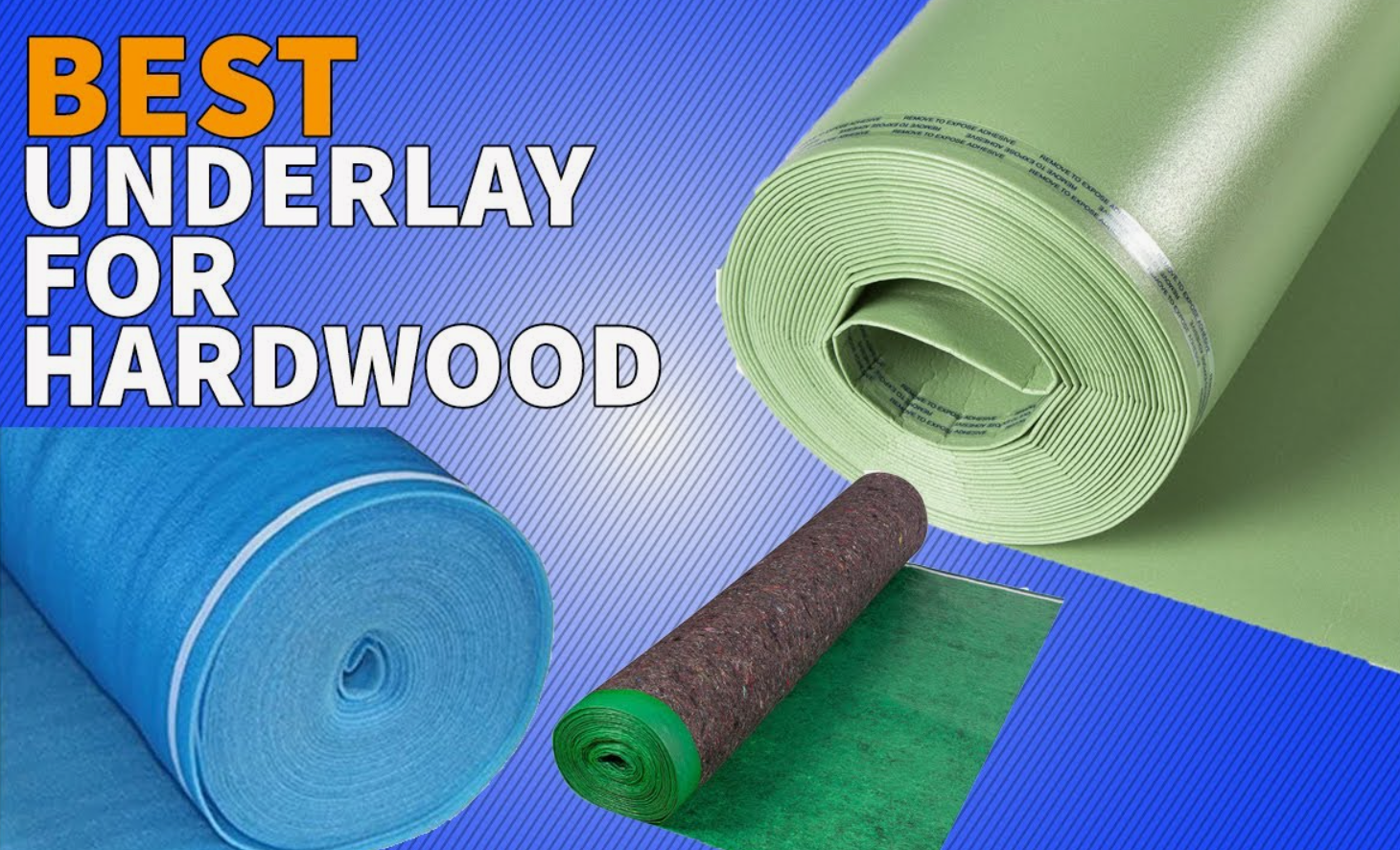
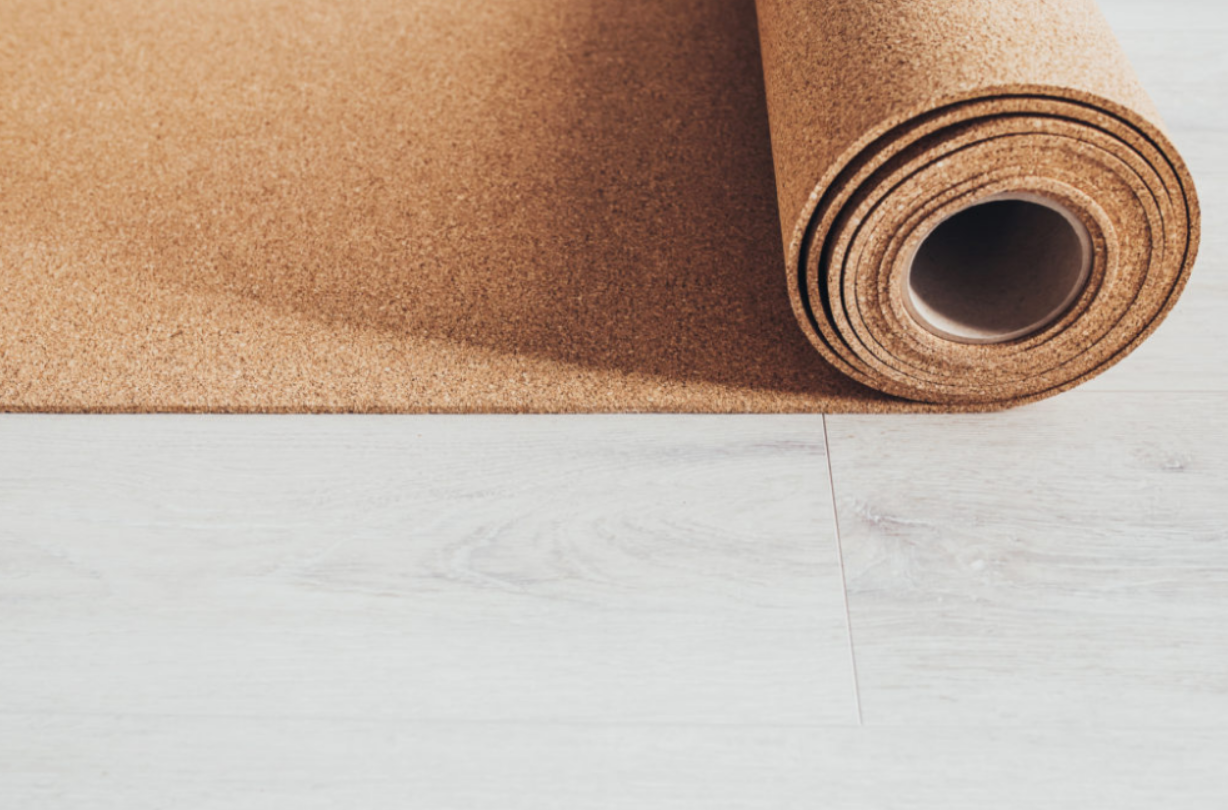
Underlayment is a thin layer of material (typically 1/8 to 1/2 inch thick) installed between your subfloor and hardwood planks. It's made from materials like foam, cork, felt, rubber, or fiber blends. For hardwood, it's often used in floating or glue-down installations, but it can benefit nailed setups too.Unlike a subfloor (the structural base like plywood or concrete), underlayment focuses on protection and enhancement. It acts as a buffer, addressing issues like moisture, sound, and unevenness that could shorten your floor's life.
Do You Really Need Underlayment for Hardwood Floors?
Required Scenarios: Yes, for most engineered hardwood (especially floating installs) over concrete or in basements, where moisture barriers are crucial. Manufacturers like the National Wood Flooring Association (NWFA) often mandate it to maintain warranties.
Optional but Beneficial: For solid hardwood nailed to plywood, it's not always needed—but adding it improves stability and reduces noise. Even if not required, underlayment can prevent costly issues down the line.
Rule of thumb: If your subfloor is concrete, uneven, or prone to moisture/humidity, underlayment is highly recommended. Always check your flooring's installation guidelines.
Top Benefits of Using Underlayment Under Hardwood Flooring
Underlayment isn't just an extra step, it's an investment in your floor's performance. Here are the key advantages, backed by expert insights from sources like the NWFA and flooring pros:
Moisture Protection and Vapor Barrier
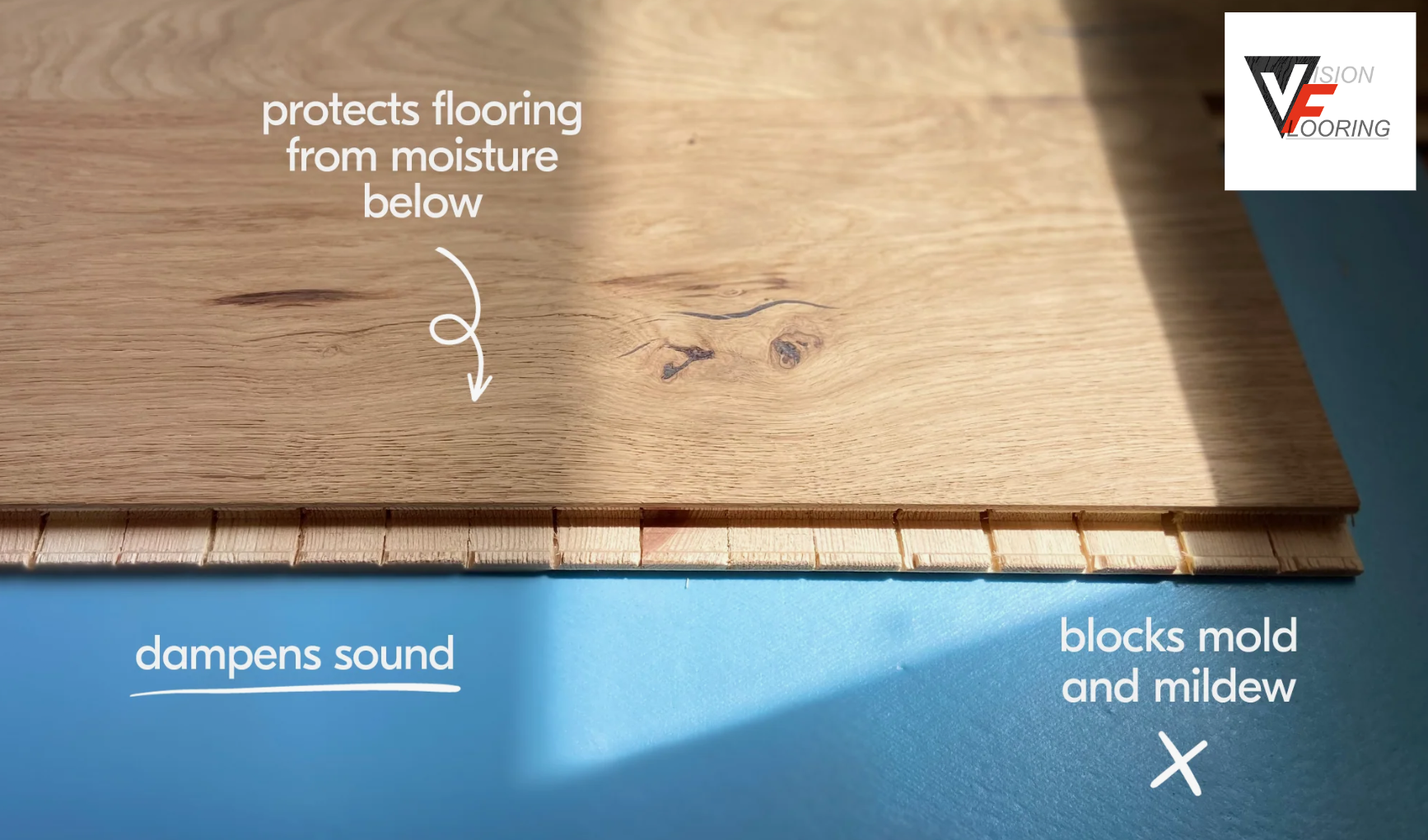
One of the biggest threats to hardwood is moisture from below (e.g., concrete subfloors releasing vapor). Underlayment with a built-in moisture barrier blocks this, preventing warping, cupping, buckling, or mold. This is especially vital in humid climates or basements. For example, foam or polyethylene underlays create a vapor retarder, extending your floor's lifespan by years.Noise Reduction and Sound Absorption
Hardwood can amplify footsteps, echoes, or creaks—especially in multi-story homes. Underlayment absorbs impact and airborne noise, reducing sound transmission by up to 20-30 decibels (depending on type). Cork or rubber options excel here, making your home quieter for families, apartments, or home offices. No more "hollow" sounds or complaints from downstairs neighbors!Added Comfort Underfoot
Hardwood's natural firmness is great for durability but can feel hard on feet. Underlayment adds subtle cushioning, making walking softer and more comfortable—ideal for kitchens, living rooms, or homes with kids/pets. It acts like a shock absorber, reducing fatigue from standing or playing.Improved Stability and Durability
Underlayment helps level minor subfloor imperfections (dips or bumps under 1/8 inch), preventing uneven wear or squeaks. It also accommodates wood's natural expansion/contraction with humidity changes, reducing gaps or buckling. This support can make your floors last 20-50% longer, with fewer repairs needed.Thermal Insulation
In colder areas, underlayment boosts your floor's R-value (insulation rating), keeping rooms warmer and reducing energy bills. Materials like cork or fiber trap heat better, making barefoot mornings more pleasant.Eco-Friendly and Health Benefits
Options like cork (renewable and antimicrobial) or recycled rubber promote sustainability while resisting mold/mildew. Underlayment also minimizes dust/allergen buildup by creating a smoother, easier-to-clean surface—great for allergy sufferers.Enhanced Installation and Long-Term Savings
It simplifies floating installs (no nails/glue needed) and protects against subfloor damage. While adding $0.50–$2 per square foot upfront, it saves on future fixes like refinishing or replacement.
When to Skip Underlayment and Potential Risks
If you're nailing solid hardwood to a dry, level plywood subfloor, underlayment might not be necessary—saving time and cost. However, skipping it risks more noise, discomfort, and moisture issues over time. Always weigh the long-term benefits; many regret not adding it later.
Tips for Installing Underlayment with Hardwood Flooring
Prep Your Subfloor: Ensure it's clean, dry (moisture under 12%), and level. Use a moisture meter for concrete.
Choose Based on Install Method: Floating needs flexible underlay; nailed/glued prefers stable types.
DIY vs. Pro: Simple rolls are DIY-friendly, but pros ensure seamless results—especially for large areas.
Maintenance: Underlayment lasts as long as your floor; no special care needed beyond regular hardwood cleaning.
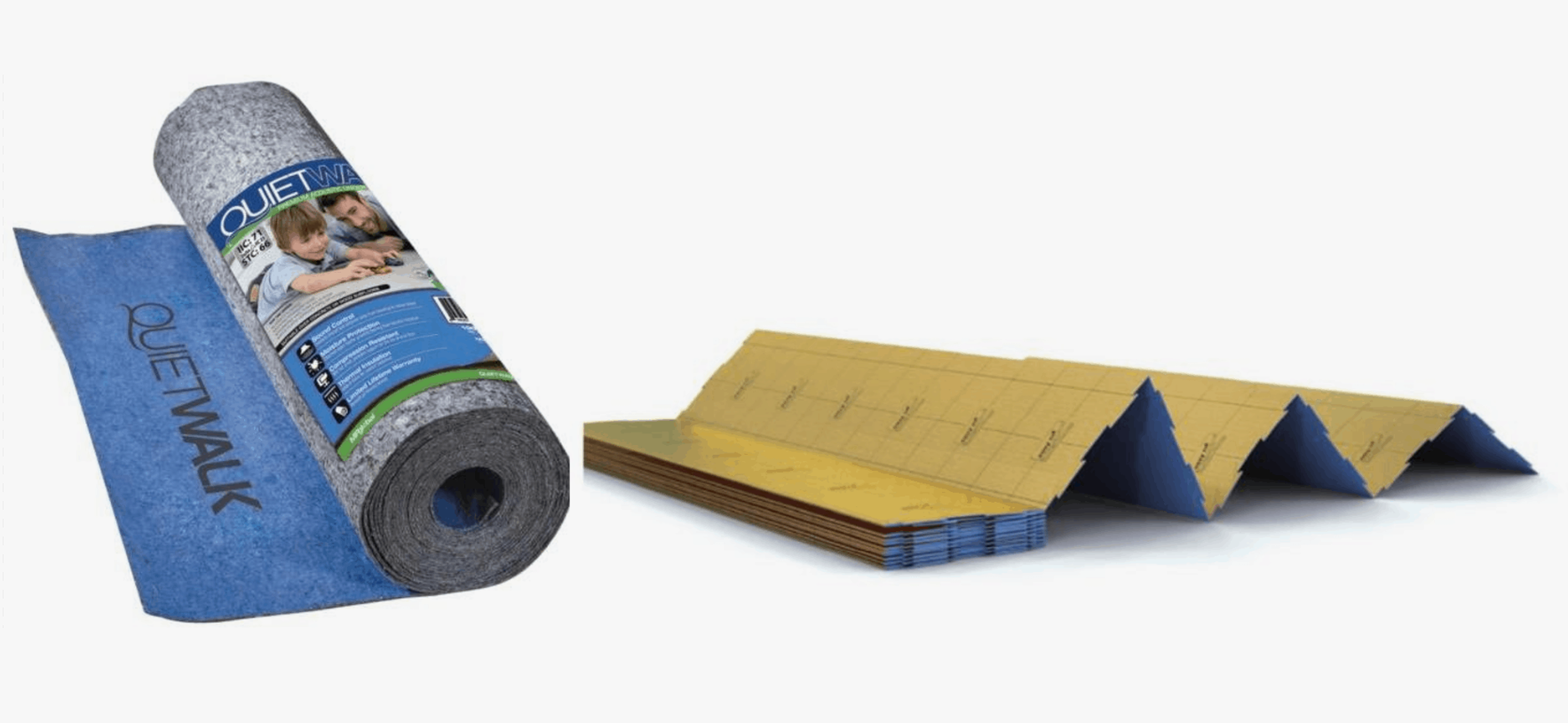
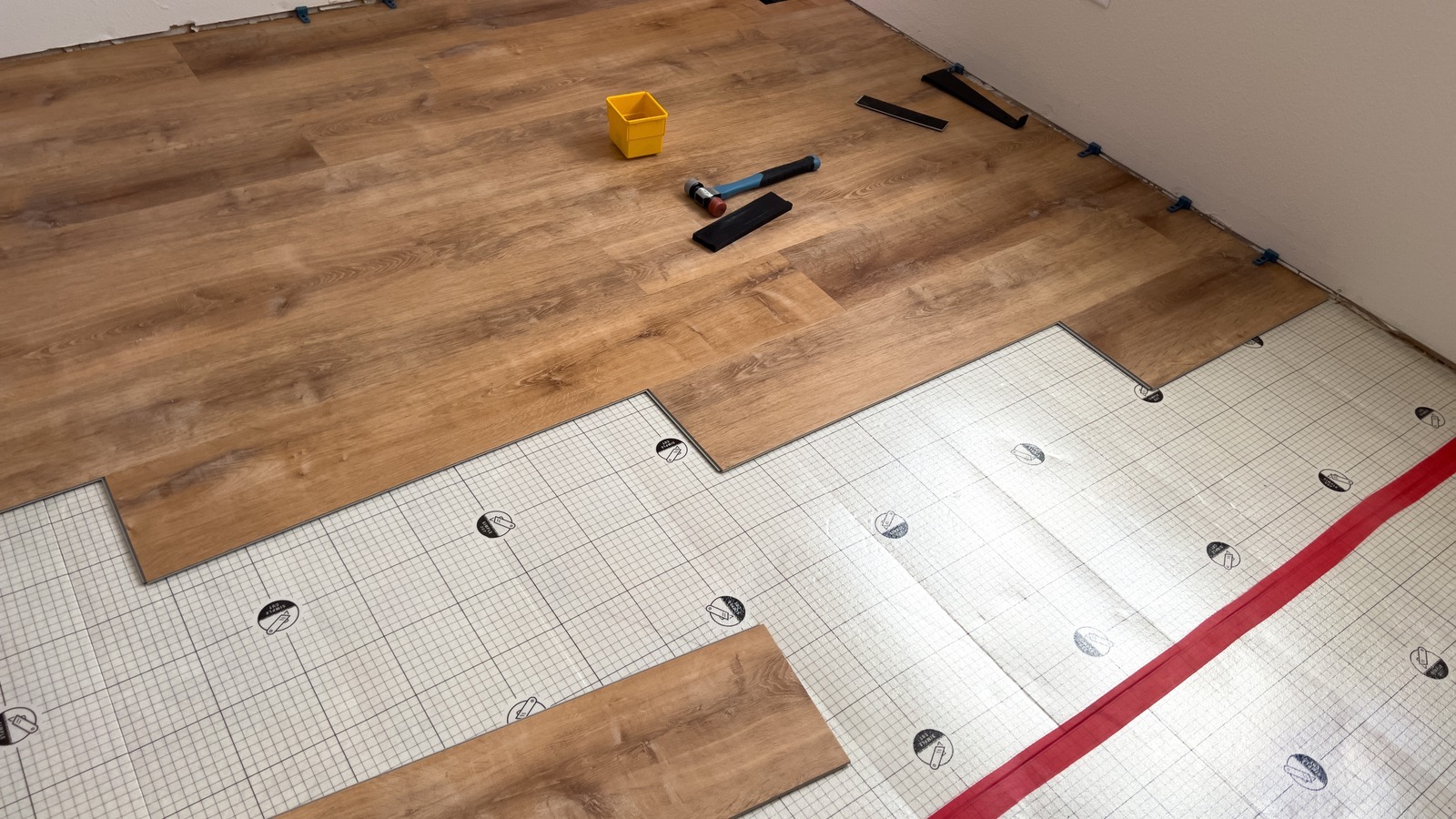
Types of Underlayment for Hardwood Floors: Which Is Best?
Foam / Polyethylene
Best for: Moisture-prone areas and budget-conscious projects
Pros: Affordable, includes a built-in vapor barrier, very easy to install
Cons: Offers less cushioning and basic sound reduction
Approximate cost: $0.20 – $0.50 per square footCork
Best for: Noise reduction and eco-friendly homes
Pros: Excellent sound and thermal insulation, sustainable and naturally antimicrobial
Cons: Higher cost, not the best choice for very high-moisture environments
Approximate cost: $0.50 – $1.50 per square footFelt / Fiber
Best for: Solid hardwood installations needing added stability
Pros: Good cushioning, helps level minor subfloor imperfections, breathable
Cons: Can absorb moisture if not treated or combined with a barrier
Approximate cost: $0.30 – $0.80 per square footRubber
Best for: High-traffic areas and maximum soundproofing
Pros: Superior noise absorption, very durable and long-lasting
Cons: Heavier material, more expensive
Approximate cost: $1 – $2 per square footCombination (Foam + Cork blends)
Best for: Versatile performance across multiple needs
Pros: Balances moisture protection, sound reduction, and comfort in one product
Cons: Cost and performance vary depending on the specific blend
Approximate cost: $0.50 – $1.50 per square foot
Pro Tip: If you have radiant heat underneath your hardwood, choose a breathable option like cork to avoid trapping heat and moisture.
Ready to Enhance Your Hardwood Floors with Underlayment?
Underlayment transforms good hardwood into great, offering moisture protection, quieter steps, added comfort, and lasting durability. Whether required or not, its benefits make it a worthwhile addition for most homes.
If you're planning a hardwood project and wondering if underlayment is right for you, contact Vision Flooring LLC for a free consultation. We specialize in expert installations with top-quality underlay options, serving Everett, Mukilteo, Mill Creek, Bellevue, Kirkland, and nearby communities. Let's make your floors perform at their best, get in touch today!
Questions about underlayment for your specific setup? Contact Us, we're here to help!
Connect
Follow Us
© 2026 Vision Flooring LLC. All rights reserved.
