CALL (425) 218-4234 – FREE ESTIMATE


Your Guide to Choosing the Perfect Flooring
Picking the right flooring can make your home look amazing and feel comfortable. Let’s explore four popular options: solid hardwood, engineered hardwood, laminate, and luxury vinyl plank (LVP) flooring. Here’s a simple breakdown to help you decide.
CHOOSING FLOORINGFLOOR GUIDEFLOORING PLANNING
Alex Babko
4 min read
Solid Hardwood vs. Engineered Hardwood vs. LVP and Laminate: Which Flooring Is Best for Your Home?
When shopping for new flooring, homeowners often face the big question: solid hardwood vs. engineered hardwood vs. LVP (luxury vinyl plank) vs. laminate—which one wins? Each option offers a beautiful wood-like appearance, but they differ dramatically in durability, cost, installation, maintenance, moisture resistance, and long-term value.
Whether you're remodeling a high-traffic kitchen, updating a basement, or boosting resale appeal, this guide breaks down the pros, cons, and best uses for each. We'll help you decide based on your lifestyle, budget, and home needs.
What Is Each Flooring Type?
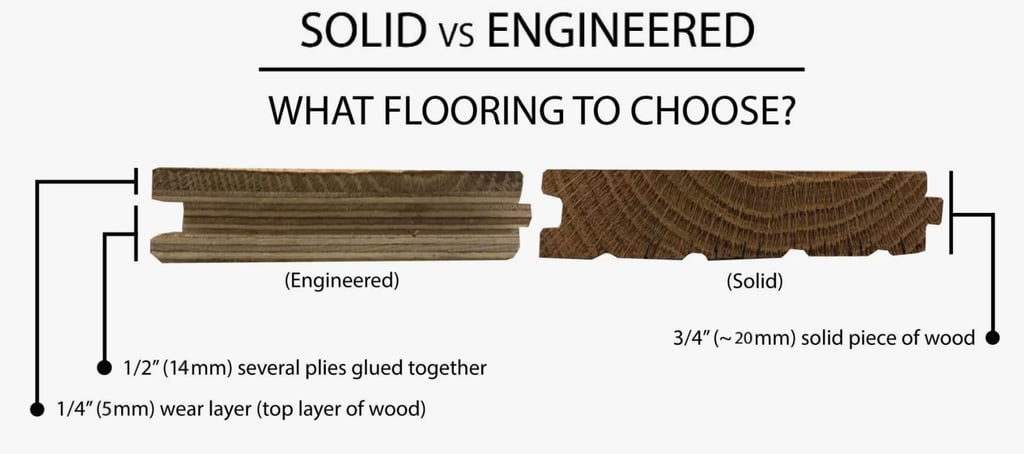
Solid Hardwood: Made from a single piece of natural wood (like oak, maple, or hickory), typically 3/4-inch thick. It's installed by nailing to a wood subfloor.
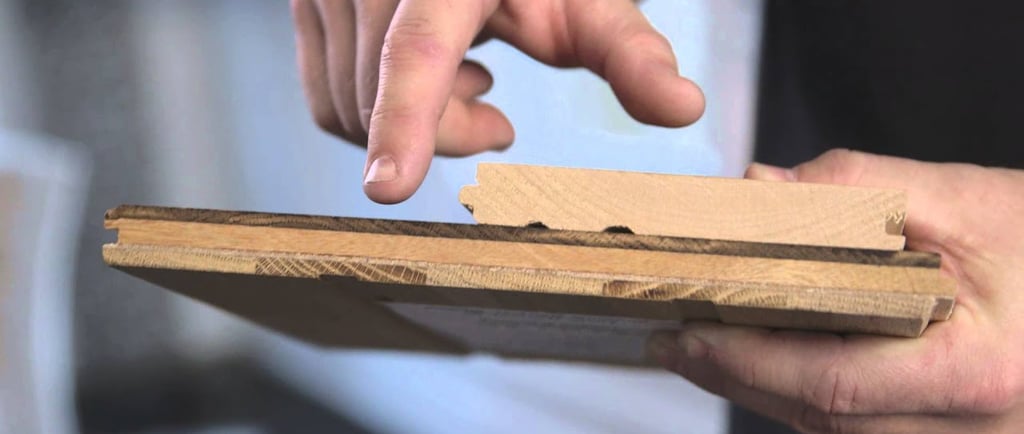
Engineered Hardwood: Features a thin top layer (veneer) of real hardwood bonded to layers of plywood or HDF for stability. It mimics solid wood but handles humidity better.
LVP (Luxury Vinyl Plank): A synthetic, multi-layered vinyl product with a photographic wood design, rigid core (often SPC), and thick wear layer. It's fully waterproof in premium versions.
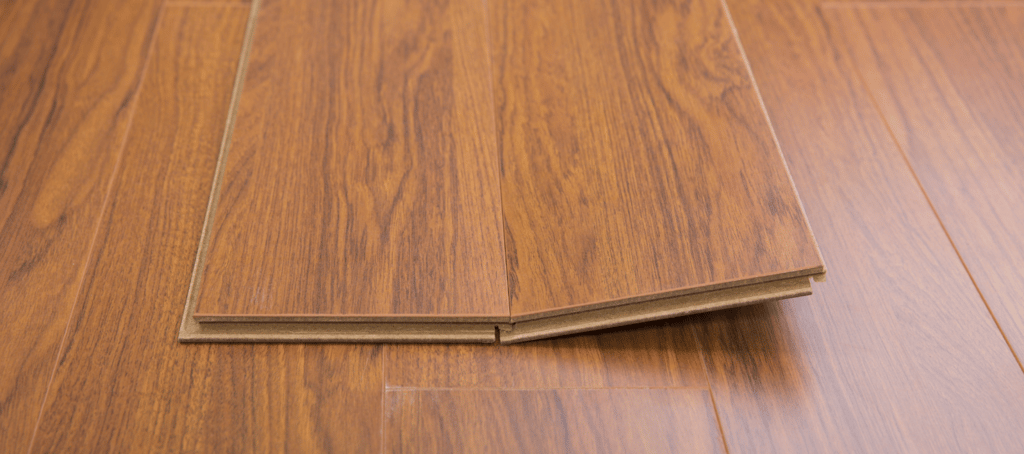
Laminate: A composite with a fiberboard core, printed wood image, and protective wear layer. It's affordable and mimics wood but isn't as resilient to moisture.
All can look stunning, but performance varies.
Solid Hardwood: The Classic Premium Choice
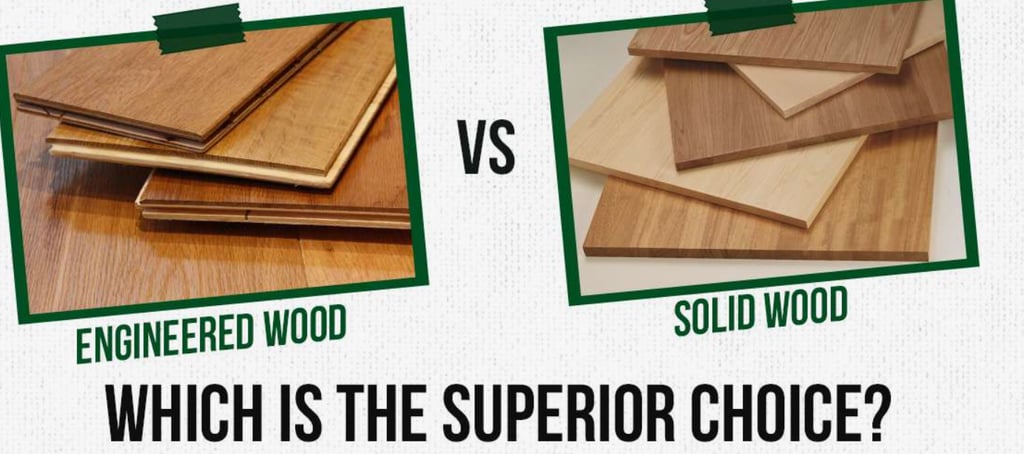
Solid hardwood delivers unmatched warmth, authenticity, and longevity, perfect for living rooms, bedrooms, and hallways in stable climates. It can be refinished multiple times to look brand new, adding significant resale value. Solid hardwood is made from one piece of real wood, like oak or maple. It’s super durable and beautiful. Just be careful with water, as it can damage them if not handled properly. Solid hardwood is the best for return on your investment and last the longest compared to other types of floors listed here.
Pros: Natural beauty, excellent acoustics, high-end feel, great ROI (often 100%+ cost recovery).
Cons: Higher cost, sensitive to moisture/humidity (not ideal for basements or kitchens), requires acclimation and pro installation.
Best if: You want a forever floor and prioritize authenticity over practicality.
Engineered Hardwood: The Best of Both Worlds
Engineered offers real wood on top with layered stability below, making it more forgiving than solid hardwood. It's ideal for most homes, including over concrete or with radiant heat. Engineered hardwood has a top layer of real wood with a plywood base underneath. This makes it more resistant to moisture, so it’s great for kitchens or basements. It’s not as easy to refinish as solid hardwood, but it still looks natural and lasts a long time.
Pros: Authentic wood look/feel, better humidity resistance, wider planks available, some are refinishable (with thicker veneer), strong resale appeal.
Cons: More expensive than synthetics, limited refinishing compared to solid, not fully waterproof. Some variation of engineered hardwood can be thinner than solid hardwood. Only 1/2" thick for lower end stock.
Best if: You love real wood but need versatility and stability.
LVP and LVT: The Durable, Practical Winner for Modern Homes
LVP stands for Luxury Vinyl Plank Flooring.
LVT stands for Luxury Vinyl Tile Flooring.
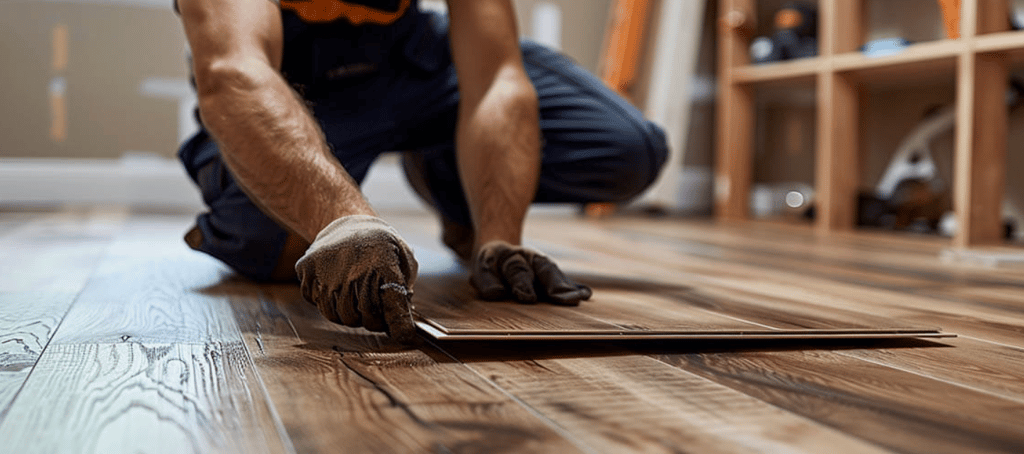
LVP and LVT has surged in popularity for its waterproof nature, affordability, and realistic wood visuals. Premium options feel soft and quiet underfoot. LVP flooring is tough and water-resistant, ideal for busy areas like kitchens. Made from synthetic materials, it mimics the look of hardwood at a lower cost. It’s simple to clean and install, which is why many love it for modern homes. LVP requires the subfloor to be level and flat because most LVP flooring is thin and flexible. Too much movement can cause the locking system to fail. Most LVP flooring is not very good with large windows that let in a lot of sun. Too much heat can cause LVP flooring to contract and expand, causing floor movement.
Pros: Fully waterproof, scratch/dent-resistant, easy DIY install, low maintenance, great for families/pets/high-moisture areas (kitchens, baths, basements). Much cheaper than real hardwood or tile floors.
Cons: Not real wood (can feel less premium), no refinishing, lower resale boost than hardwood. Can be really thin flooring and might not match up to other types of floors adjusting to it. Usually require transition pieces.
Best if: Durability and moisture resistance are top priorities, or you're on a budget.
Laminate: The Budget-Friendly Wood-Look Option
Laminate provides a convincing wood appearance at the lowest cost, with good scratch resistance. Laminate is a wallet-friendly option that looks like hardwood. It’s made from pressed wood with a picture layer on top. It’s easy to install and maintain, making it a good choice if you’re on a budget. However, it can’t be refinished like hardwood. Laminate flooring does not do well with water. If large amounts of water is spilled on it, the edges will swell up and that area will have to be replaced.
Pros: Affordable, easy install, durable for dry areas, eco-friendly options available.
Cons: Not waterproof (can swell with moisture), harder feel, limited lifespan.
Best if: You're renovating on a tight budget and in low-moisture spaces.
Which One Should You Choose?
For timeless beauty and resale value: Go with solid or engineered hardwood, they appeal most to buyers and last generations.
For busy households, pets, kids, or moisture-prone rooms: LVP is unbeatable for everyday durability and peace of mind.
For maximum savings in dry areas: Laminate delivers style without breaking the bank.
Ultimately, the "best" depends on your lifestyle: premium authenticity (hardwood), balanced performance (engineered), or worry-free practicality (LVP/laminate).
Ready to find the perfect flooring for your home? Contact us for expert advice, samples, and installation, we'll help you choose what lasts and looks amazing for years to come!
Connect
Follow Us
© 2026 Vision Flooring LLC. All rights reserved.
