The short answer
- For allergies, hard floors beat wall-to-wall carpet. Mayo Clinic advises replacing carpet with hardwood or other hard flooring and washable rugs.
- The finish matters for air quality. Finishes give off fumes while they cure, so ventilation and the right product choice count.
- Refinishing doesn't have to fill your home with dust. Dust-control equipment and masking keep it contained.
- Keep indoor humidity at or below 50%. It's better for allergies and for wood floors.
Are hardwood floors better for allergies than carpet?
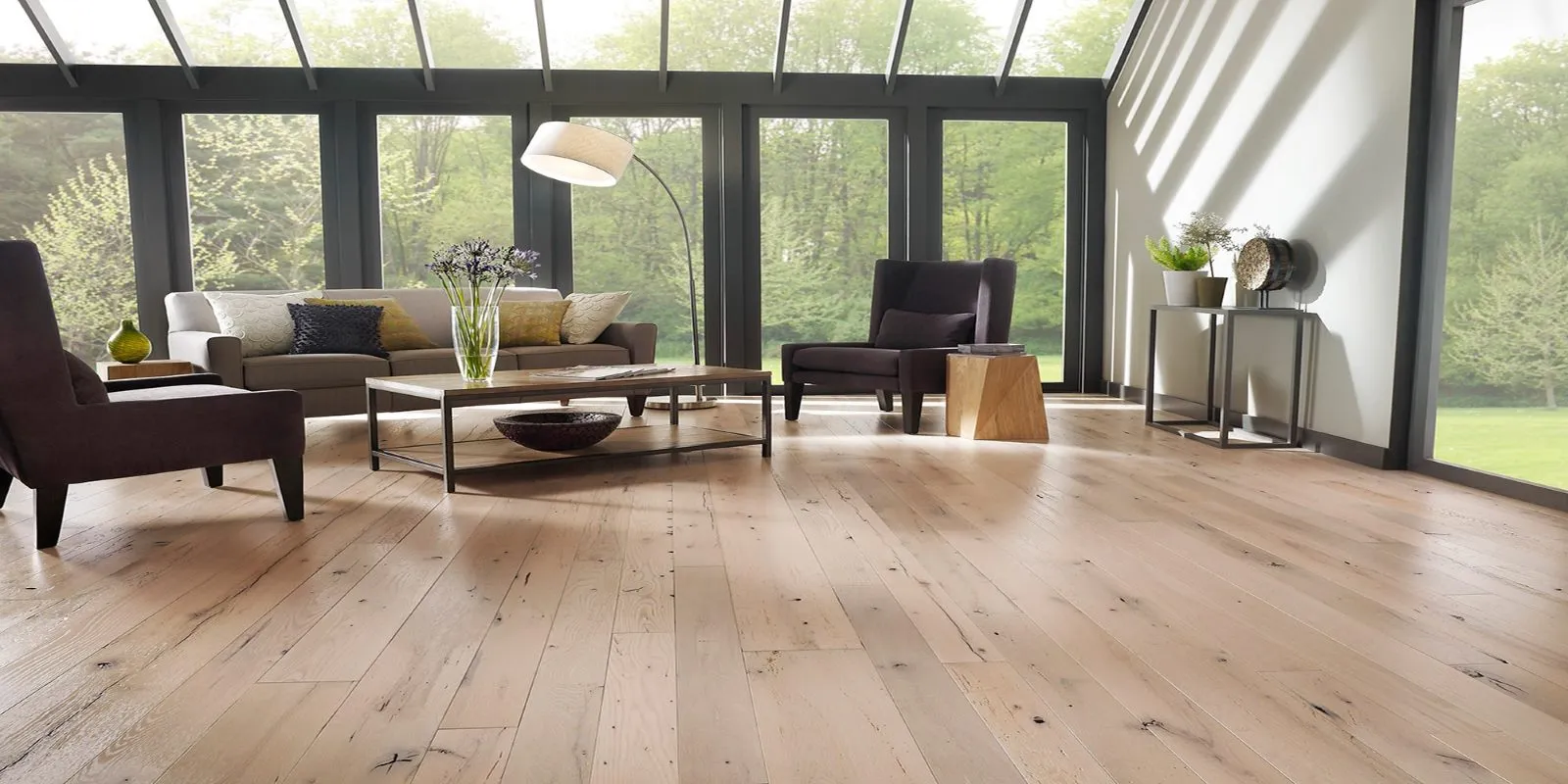
Yes, for most people with dust or pet allergies. Carpet fibers hold dust mites, pet dander, pollen and dirt, and vacuuming can kick some of it back into the air. Hardwood has a sealed, smooth surface, so allergens sit on top, where a dust mop or damp mop removes them. That's why Mayo Clinic's guide to allergy-proofing your home recommends removing carpeting and using hardwood or other hard flooring, with washable area rugs.
Hard floors won't cure allergies on their own, and they still need regular cleaning. But they make it much easier to keep allergens under control, especially in bedrooms.
Do hardwood floors improve indoor air quality?
Indirectly. A floor doesn't clean the air, but hardwood doesn't trap dust and allergens the way carpet does. That means less of them build up and get stirred back into the air. The bigger air-quality factor with wood floors is the finish. Stains and finishes give off fumes (VOCs) while they're applied and curing. Once a finish is fully cured, those emissions drop off.
Are hardwood floor finishes toxic?
Finishes give off fumes while they're applied and curing, so the product choice and ventilation matter. The EPA lists varnishes among the household products that release volatile organic compounds (VOCs), and recommends increasing ventilation when they're used.
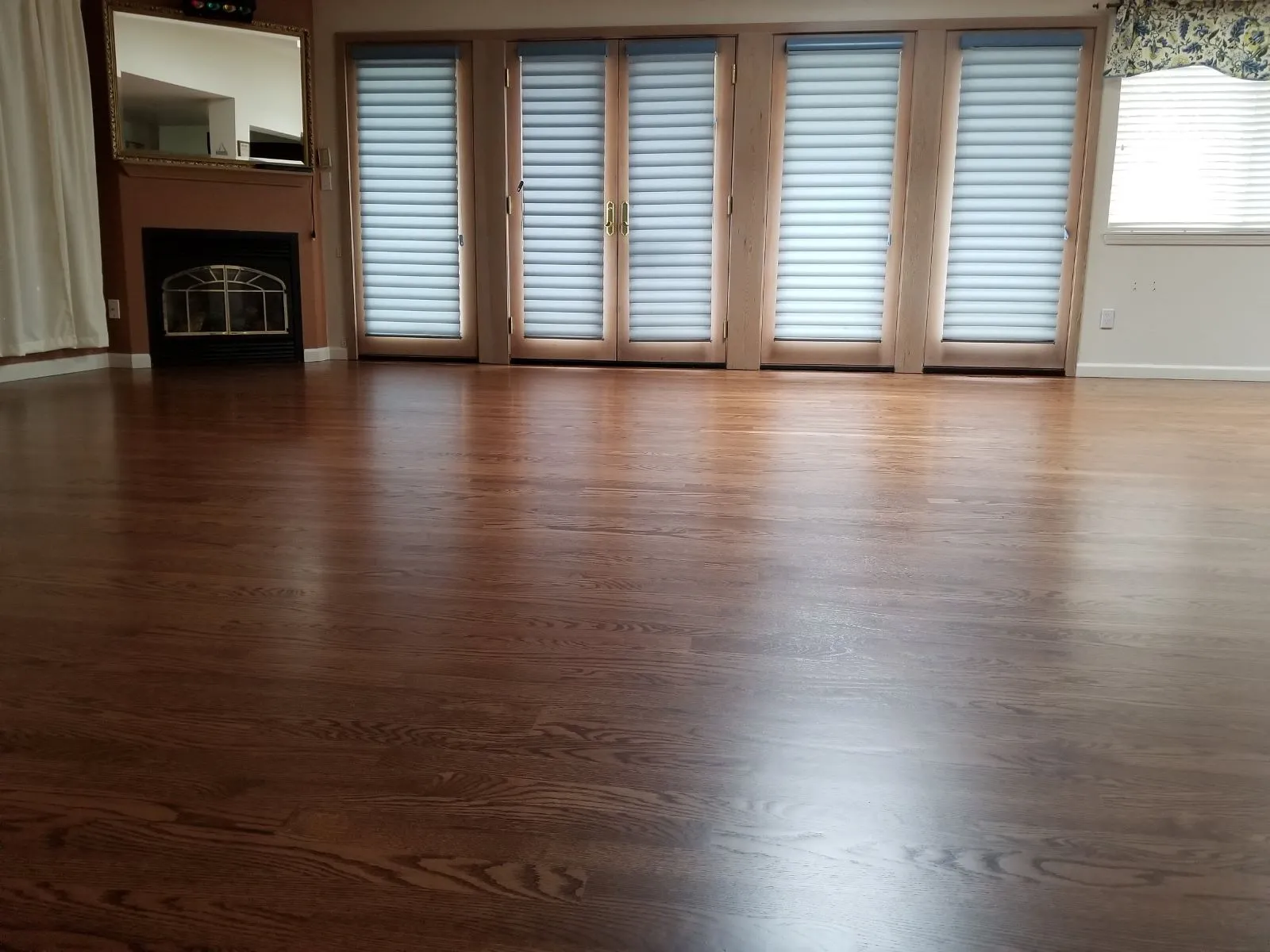
- Water-based finishes generally have less odor and lower VOCs than oil-based finishes. They're the most popular choice for families.
- Oil-based finishes have a stronger smell, and they add a warm amber tone to the wood.
- Swedish finish (an acid-cured conversion varnish) is extremely durable but has strong odors and high VOCs. Everyone has to be out of the home while it's applied.
With any finish, nobody walks on the floor while it's being applied. You can usually come back the next day, put furniture back after three full days, and lay rugs after one week with water-based finish, or three weeks with Swedish finish.
Is sanding and refinishing hardwood dusty?
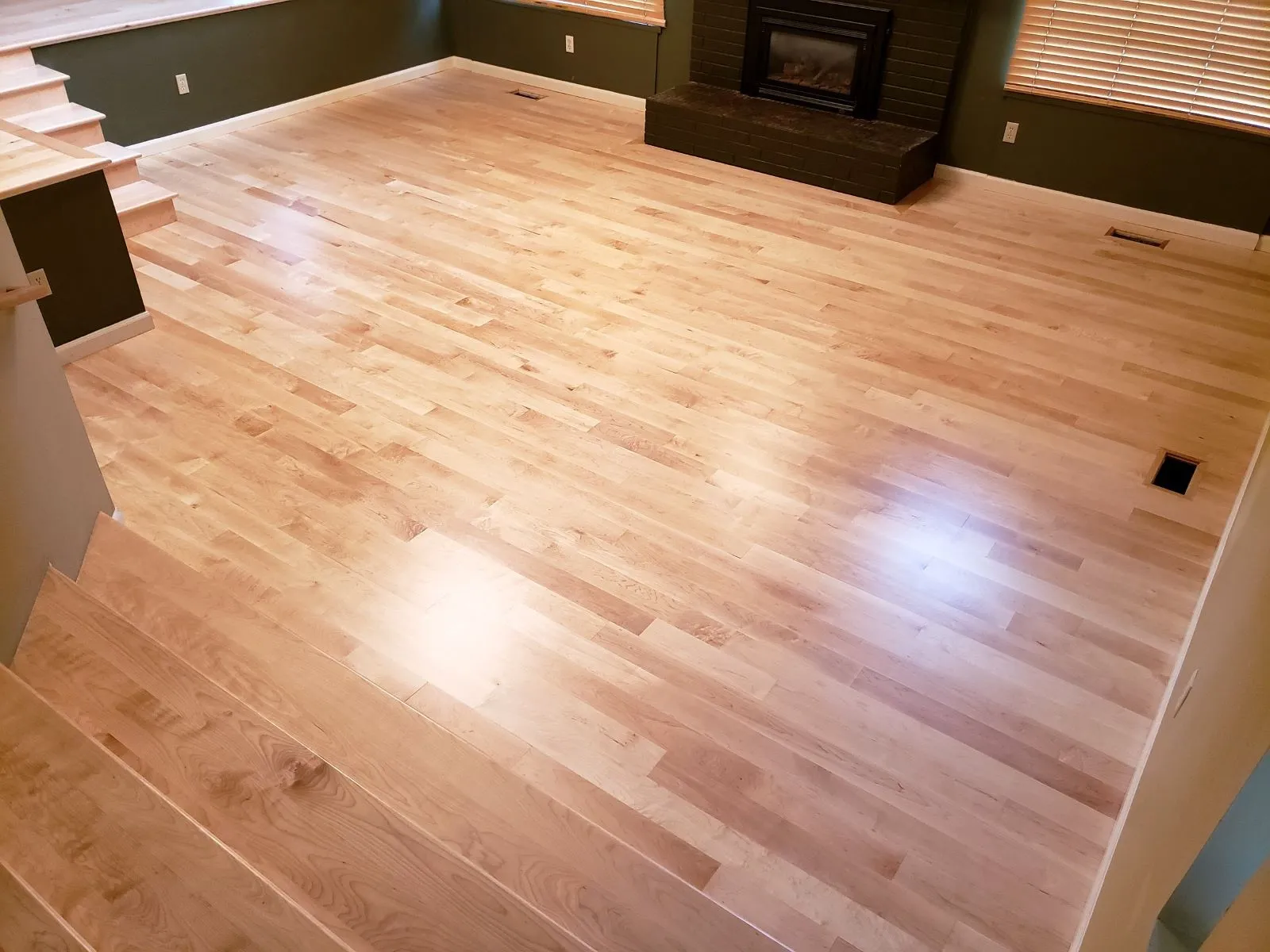
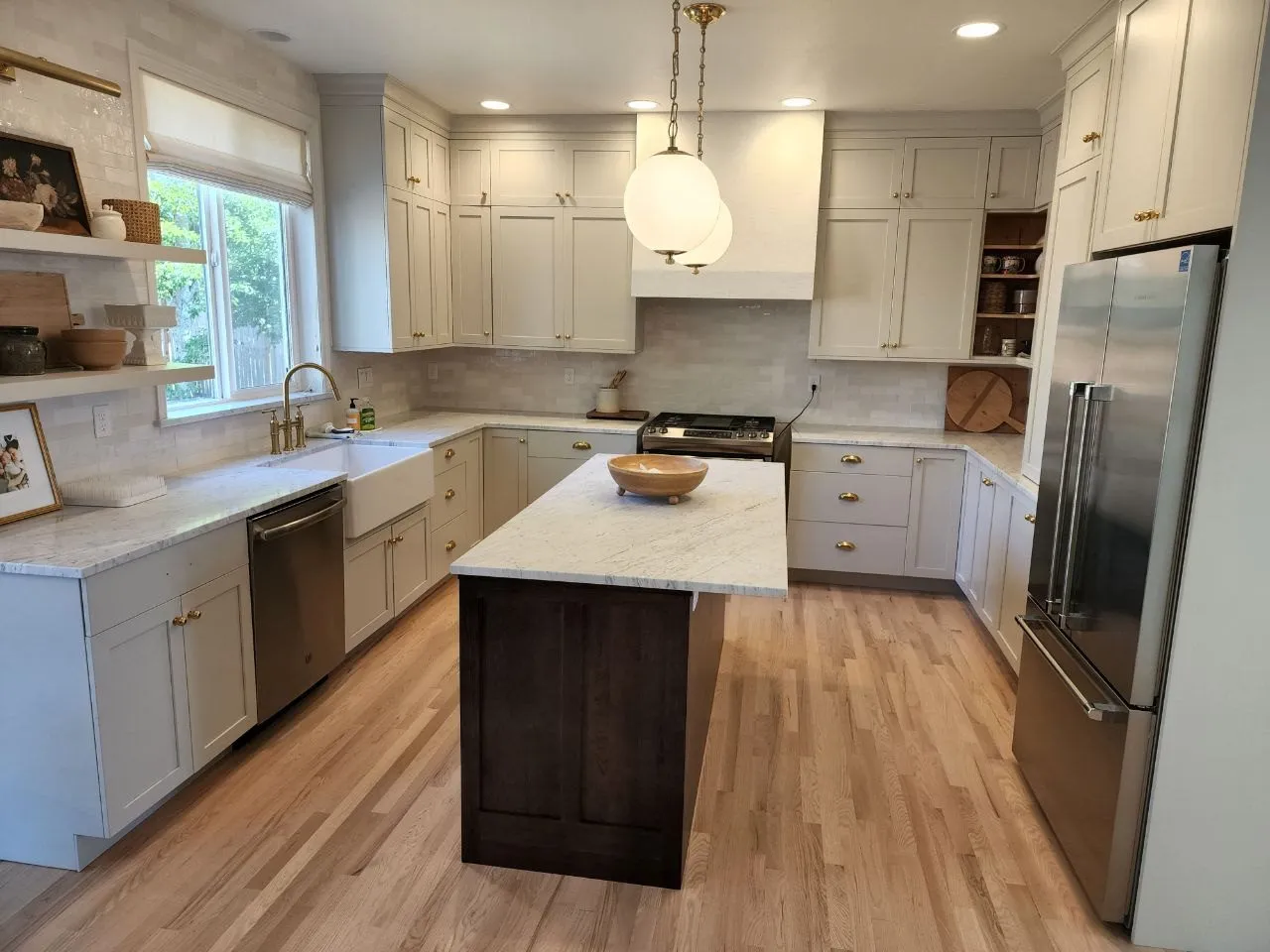
It used to be. Today, dust-control sanding equipment and masking keep most of the dust contained. The sanders connect to dust-collection systems that pull dust away as they work, and we seal off nearby rooms with plastic. Masking runs about $85 for small sections and about $160 for larger living areas.
We won't promise zero dust, because no honest refinisher can. But you shouldn't expect your whole house to be covered in it, either.

Are hardwood floors good for babies, kids and pets?
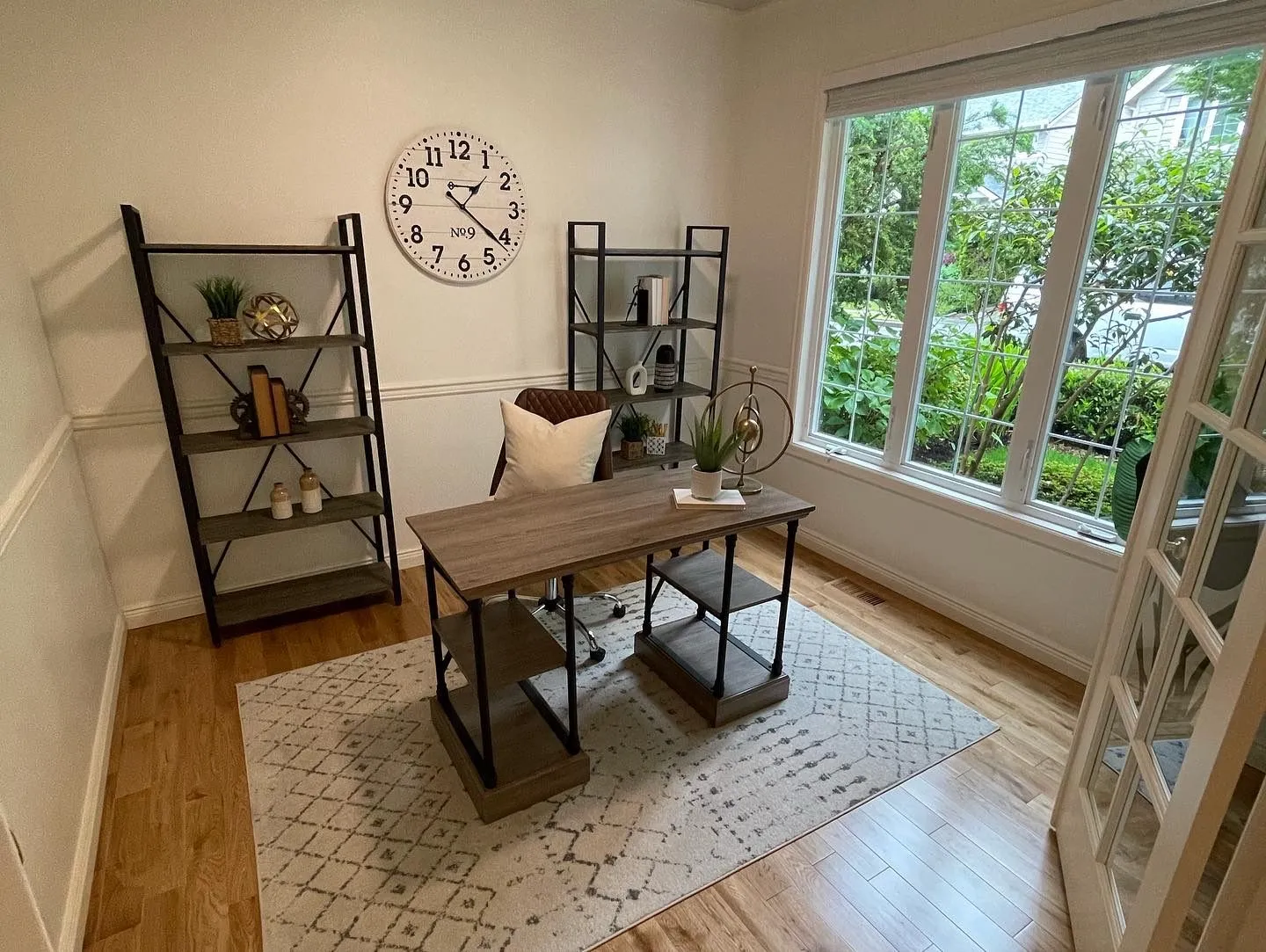
Yes, with a few smart choices. Hardwood is easy to keep clean where little ones crawl and play, and it doesn't hold onto pet hair and dander like carpet does.
- Add washable rugs with non-slip pads in play areas and nurseries for softness.
- Choose a matte or satin sheen. It hides scratches from toys and claws better than semi-gloss.
- Pick a harder species, like oak or hickory, for busy homes with dogs.
- Wipe up accidents quickly. Pet urine left on wood can stain it permanently.
For homes where water and pets are a constant, LVP is also a great hard-surface option. Compare them in our guide to choosing the perfect flooring.

What humidity is best for health and for wood floors?
Keep it moderate, and no higher than about 50%. Mayo Clinic recommends keeping relative humidity at or below 50% to limit dust mites and mold. Wood floors like steady, moderate humidity too. Large seasonal swings cause gaps in dry winters and cupping in damp weather. A simple humidity monitor helps, and so does following your flooring manufacturer's recommended range.
Is engineered hardwood as healthy as solid hardwood?
It can be. Engineered hardwood has a real-wood top layer over a plywood-style core made with adhesives. In the U.S., those cores fall under the EPA's formaldehyde emission standards for composite wood products (TSCA Title VI). Look for products labeled as compliant. Reputable brands list it clearly. We're happy to help you compare products at your estimate.
How do I keep hardwood floors clean and healthy?
- Dust mop or vacuum often, using a hard-floor setting. A HEPA filter helps if anyone has allergies.
- Damp-mop, never wet-mop, with a cleaner made for finished wood floors.
- Skip wax and oil soaps. Residue builds up, and it can keep a future recoat from bonding. A steam mop is fine if it leaves no puddle of water behind.
- Take shoes off at the door and use mats at entries to keep pollen and grit out.
- Wash area rugs regularly.
More care tips are in our wood floor maintenance guide.
Is hardwood an eco-friendly flooring choice?
It's one of the longest-lasting floors you can buy. Wood is a renewable material when it comes from responsibly managed forests. A solid hardwood floor can be sanded and refinished several times instead of being torn out and replaced, which keeps a lot of flooring out of landfills. Refinishing an existing floor is often the greenest option of all.
Healthy floors, done carefully
From dust control to the finish you choose, we plan every job around the people living in the home.
Dust controlequipment and masking on every refinish
Your choiceof water-based or oil-based finishes
20+ yearsin construction and remodeling
1-yearLimited Workmanship Warranty on our work