CALL (425) 218-4234 – FREE ESTIMATE


Home Restoration After Water Damage: Top Questions Answered
Water damage can strike unexpectedly, turning your home into a soggy nightmare from burst pipes, floods, or leaks. In this guide, we'll answer the top questions to help you navigate restoration effectively, whether you're dealing with minor leaks or major flooding.
WATER DAMAGEHOME RESTORATIONHIRING CONTRACTOR
Alex Babko
4 min read
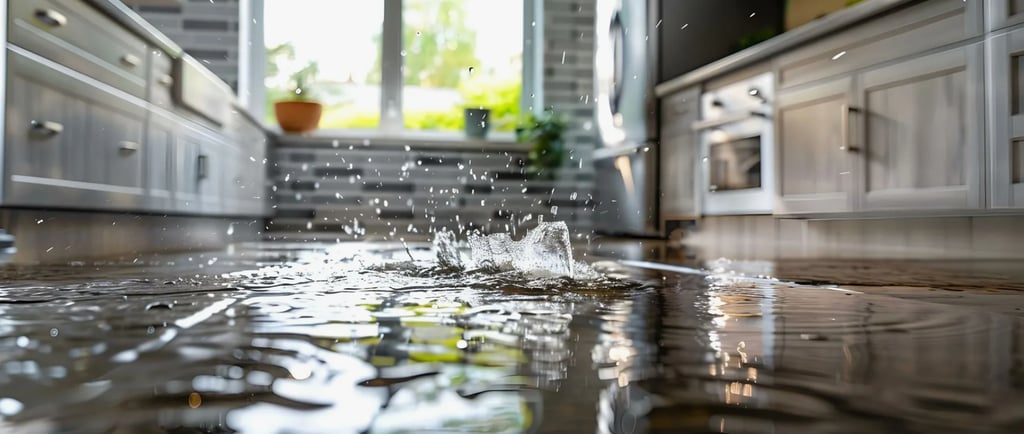
Restoring your home isn't just about drying things out, it's a structured process to prevent mold, structural issues, and health risks. Based on common searches and discussions online, homeowners often have similar concerns about the process, costs, and next steps.
What Are the Common Causes of Water Damage in Homes?
Understanding the root cause helps prevent future issues. The most frequent culprits include:
Burst or leaky pipes, especially in winter from freezing.
Roof leaks during heavy storms.
Overflowing appliances like dishwashers, washing machines, or water heaters.
Natural disasters such as floods or hurricanes.
Sewage backups or sump pump failures.
Foundation cracks allowing groundwater seepage.
Pro tip: Regular maintenance, like insulating pipes and checking appliances, can mitigate many of these.
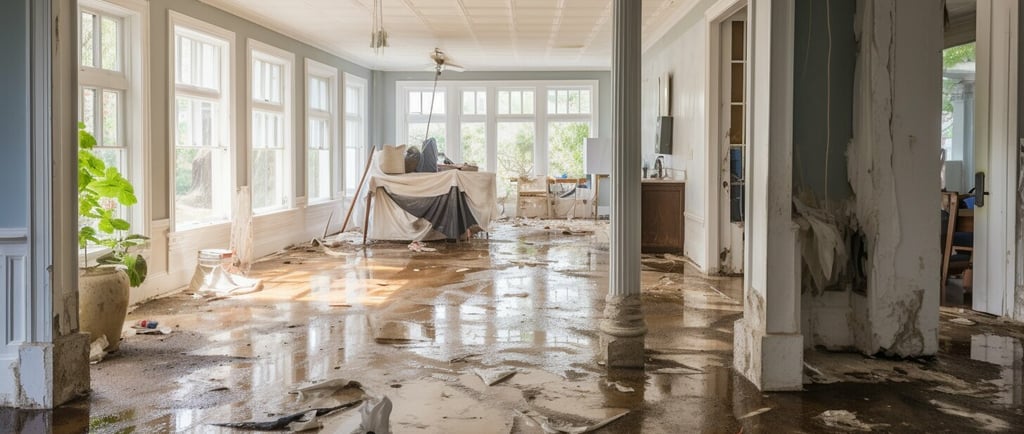
What Should I Do Immediately After Discovering Water Damage?
Time is critical—act within the first 24-48 hours to minimize damage. Here's a step-by-step action plan:
Ensure safety: Turn off electricity and gas if water is near outlets or appliances. Evacuate if structural integrity is at risk.
Stop the source: Shut off the main water valve if it's a leak; for floods, wait for waters to recede.
Remove standing water: Use a wet vac or pump for larger amounts; mop up small puddles.
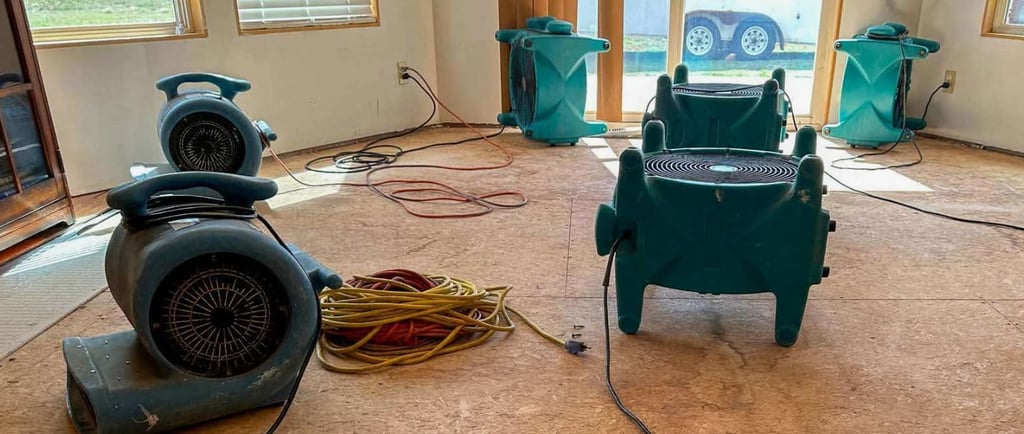
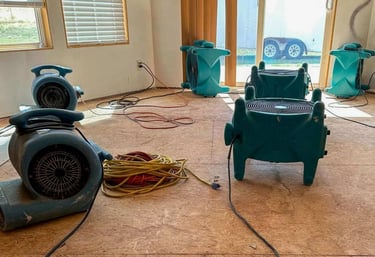
Dry the area: Open windows, use fans and dehumidifiers to circulate air.
Remove wet items: Pull up soaked carpets, move furniture, and discard irreparable items.
Document everything: Take photos for insurance claims.
Call professionals: Contact a restoration company and your insurer immediately.
Avoid using electrical devices in wet areas to prevent shocks.
Can I Handle Water Damage Restoration Myself, or Do I Need Professionals?
Minor spills might be DIY-friendly with prompt action, but extensive damage often requires pros. DIY pros: Cost savings for small jobs. Cons: Risk of incomplete drying leading to mold or hidden damage.
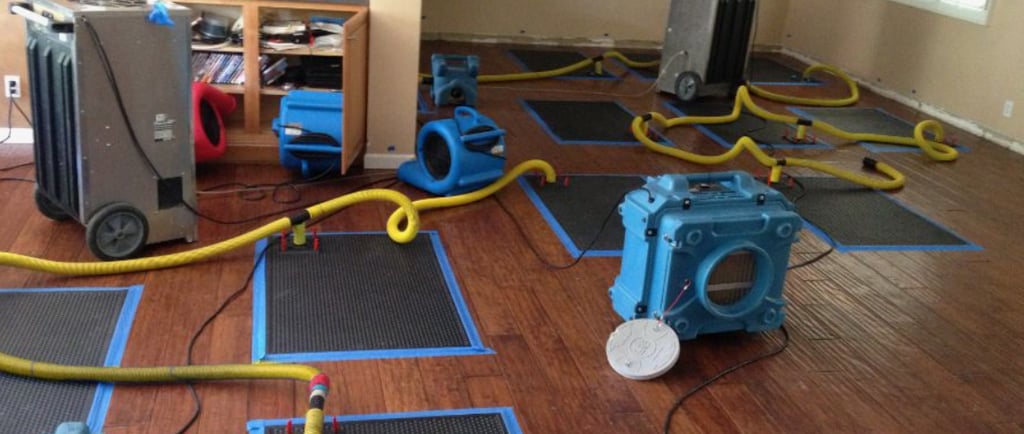
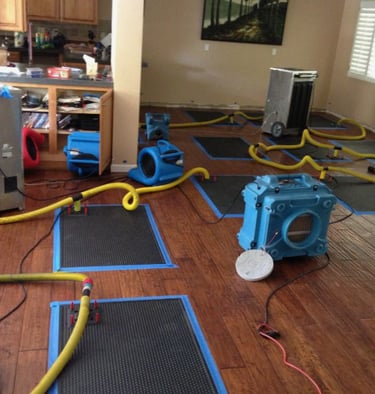
Professionals use industrial equipment like moisture meters, air movers, and dehumidifiers for thorough restoration. If the water is contaminated (e.g., sewage), always call experts to avoid health hazards.
Rule of thumb: If damage covers more than 10 square feet or involves walls/ceilings, hire help.
What Is the Water Damage Restoration Process?
Restoration typically follows these phases:
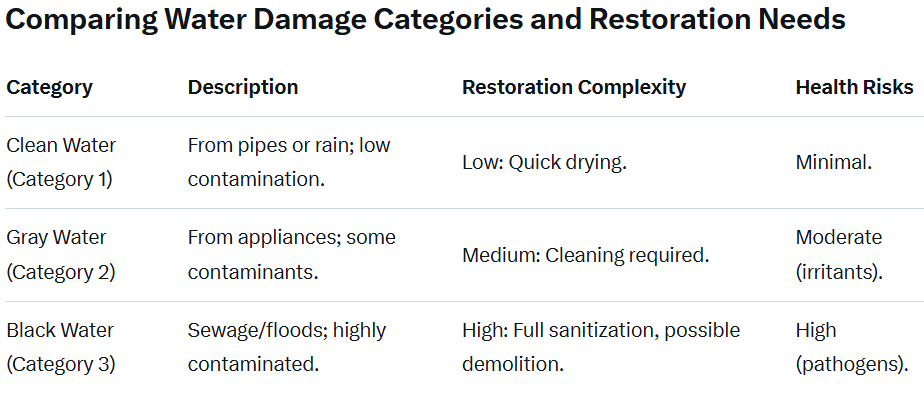
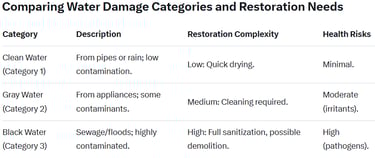
Inspection and Assessment: Pros evaluate damage extent and water category (clean, gray, or black).
Water Removal/Extraction: Pump out standing water.
Drying and Dehumidification: Use equipment to dry structures; this can take 3-5 days.
Cleaning and Sanitizing: Remove contaminants, treat for mold.
Restoration: Repair or replace damaged materials like drywall, flooring, or insulation.
The goal is to return your home to pre-damage condition.
How Long Does Water Damage Restoration Take?
Timeline varies by damage severity:
Minor damage: 3-7 days.
Moderate (e.g., one room): 1-2 weeks.
Severe (whole home): 2-4 weeks or more, plus reconstruction time.
Factors like humidity, material porosity, and prompt response affect speed. Mold growth can extend it if not addressed early.
How Much Does Home Water Damage Restoration Cost?
Costs range widely:
Minor: $1,000-$3,500.
Moderate: $3,500-$7,500.
Major: $10,000+ (up to $50,000 for extensive floods).
Breakdown: Extraction ($500-$1,500), drying ($1,000-$5,000), repairs ($2,000+). Insurance often covers much, minus deductibles. Get multiple quotes.
Will My Homeowner's Insurance Cover Water Damage Restoration?
It depends on the cause:
Covered: Sudden events like burst pipes or appliance failures.
Not covered: Gradual leaks, floods (needs separate flood insurance), or neglect.
File claims quickly; most policies cover restoration but check deductibles and limits.
Can Water Damage Lead to Mold, and How Do I Prevent It?
Yes, mold can grow in 24-48 hours if moisture lingers. Prevention: Thorough drying, dehumidification, and antimicrobial treatments. If mold appears, pros remediate it safely—DIY can spread spores.
What Questions Should I Ask When Hiring a Water Damage Restoration Company?
Choose wisely:
Are you licensed, insured, and certified (e.g., IICRC)?
What's your experience and response time (24/7?)?
Do you handle both mitigation and reconstruction?
Can you provide references and a detailed quote?
How do you prevent mold and ensure complete drying?
Is My Family and Home Safe During and After Water Damage?
Safety first:
Contaminated water poses health risks (bacteria, chemicals). Use protective gear, ventilate, and keep pets/kids away. Post-restoration, test air quality if mold was involved.
Final Tips for Successful Home Restoration After Water Damage
Prevent with regular inspections and sump pumps.
Keep emergency contacts handy.
Maintain humidity below 60% post-restoration.
Consider flood insurance if in a high-risk area.
Restoring your home after water damage is daunting, but with quick action and the right pros, you'll be back to normal. If you're facing this now, consult local experts for personalized advice.
Connect
Follow Us
© 2026 Vision Flooring LLC. All rights reserved.
