CALL (425) 218-4234 – FREE ESTIMATE


Can I Install Hardwood Flooring Parallel to the Floor Joists, or Must It Be Perpendicular?
When planning a hardwood flooring project, whether in a remodel, addition, or new build. One of the most common questions is about direction: Should the flooring planks run parallel or perpendicular to the floor joists below?
BEST INSTALLATION METHODSHARDWOOD FLOORINGHARDWOOD INSTALLATION
Alex Babko
3 min read
Why Direction Matters: Structural Basics
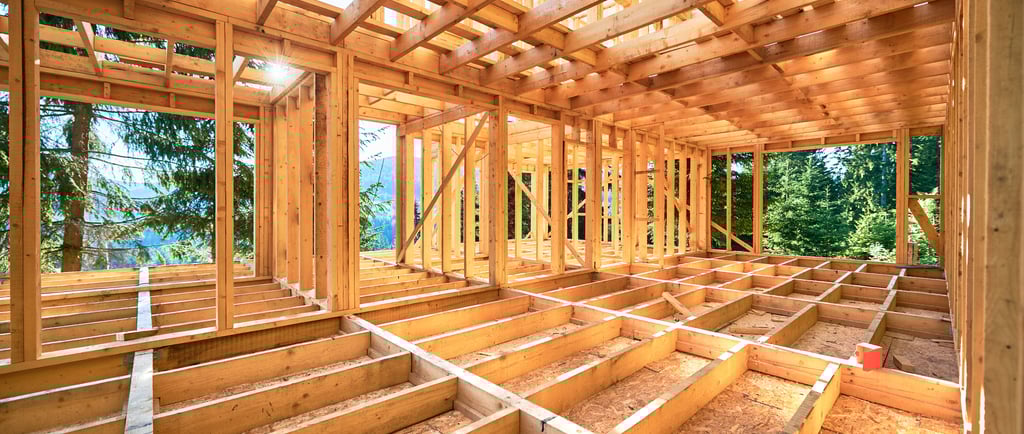
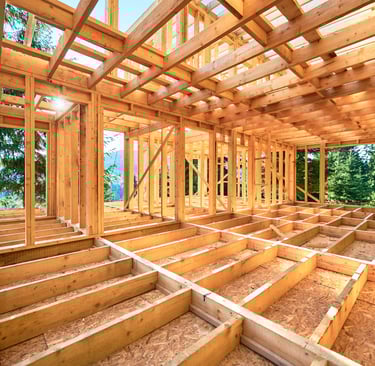
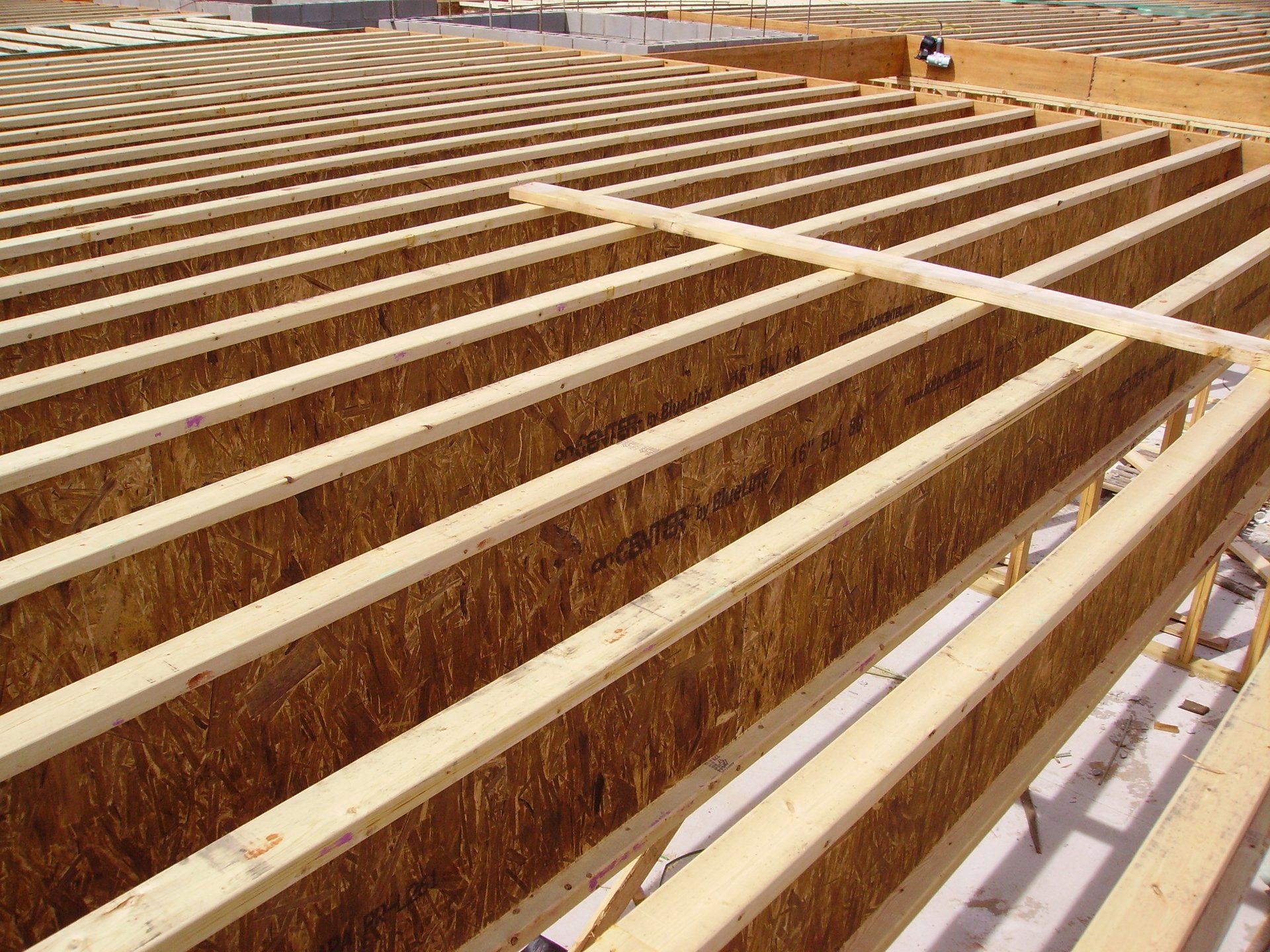
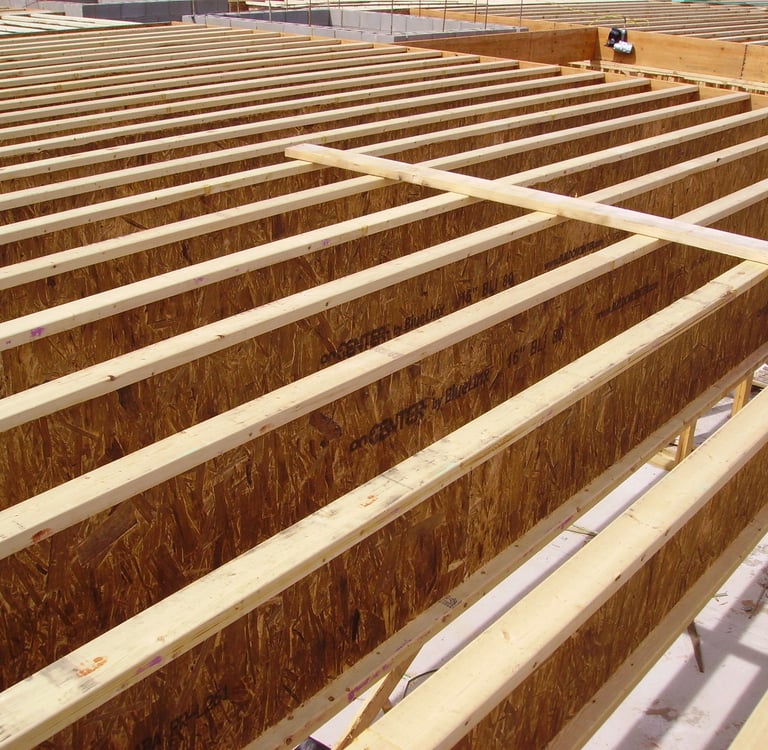
Floor joists are the horizontal beams supporting your floor system. A subfloor (usually plywood or OSB) sits on top, and hardwood planks go over that.
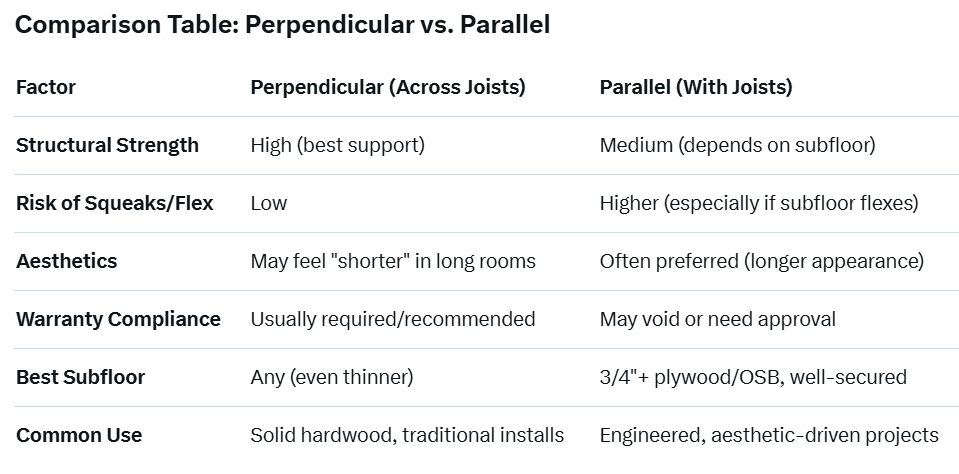
Perpendicular installation (planks crossing joists at 90 degrees) lets each plank span multiple joists, distributing weight evenly and minimizing flex.
Parallel installation (planks running the same way as joists) means most planks rest entirely on the subfloor between joists, which can lead to more deflection if the subfloor isn't rigid enough.
Manufacturers (like those following NWFA guidelines) and experts generally prefer perpendicular for solid 3/4" hardwood to prevent sagging, board separation, or excessive movement over time.
The short answer: Perpendicular (across the joists) is the traditional and safest recommendation for maximum strength and durability, especially with solid hardwood.
In this guide, we'll explain the reasoning, pros/cons of each approach, when parallel works (and when it doesn't), and tips to avoid common problems like squeaks or sagging.
Perpendicular to Joists: The Recommended Choice
This is the go-to for most installations, especially solid hardwood.
Pros:
Maximum stability — Planks bridge joists, reducing bounce, squeaks, and long-term wear.
Better load distribution — Ideal for heavy furniture or high-traffic areas.
Warranty-friendly — Many manufacturers require or strongly recommend it.
Hides imperfections — Crosses over any joist variations or subfloor unevenness.
Cons:
May not align with your ideal aesthetic (if it shortens the visual length of a room).
In additions or remodels with mismatched joist directions, it can create awkward transitions.
Best For: Solid hardwood, thinner subfloors (<3/4"), wider joist spacing (24" OC), or when durability is priority #1.
Parallel to Joists: When It's Acceptable (and How to Make It Work)
Parallel is common when aesthetics win out—like running planks along the longest wall for a spacious feel. It's more feasible today with modern subfloors.
Pros:
Aesthetic appeal — Often makes rooms look longer/wider and flows better with entryways or hallways.
Seamless look — Matches common design preferences (parallel to longest wall or light direction).
Possible with good prep — Many installers do it successfully on stiff 3/4" plywood/OSB over 16" OC joists.
Cons and Risks:
Increased flex/deflection — Subfloor can sag slightly between joists, leading to bounciness or visible dips.
Higher chance of squeaks — More movement over time.
Potential warping/separation — If subfloor isn't reinforced.
Warranty concerns — Some manufacturers void it if not perpendicular.
Best For: Engineered hardwood (more forgiving), thick/strong subfloors (3/4"+ plywood or OSB), 16" OC joists, or when visual flow matters most.
How to Safely Install Parallel (If You Choose It)
If aesthetics demand parallel, don't skip reinforcement:
Check subfloor — Ensure it's at least 3/4" plywood/OSB, glued/screwed tightly (max 6" spacing).
Add support if needed — Install blocking (2x4/2x6) between joists every 16–24" from below (if accessible), or add a 1/2" plywood layer on top (perpendicular to existing subfloor).
Secure everything — Renail/screw subfloor to joists; test for deflection.
Acclimate wood — Follow manufacturer guidelines.
Consult pros — Get an engineer's opinion for spans >16" OC or signs of sagging.
Other Factors Influencing Direction
Beyond joists, consider:
Room shape & flow — Parallel to longest wall or from entry door for openness.
Natural light — Parallel to main windows hides seams better (light runs along joints, not across).
Transitions — Consistent direction throughout home looks best; avoid changes unless necessary.
Final Recommendation
Go perpendicular if possible—it's the safest for longevity and performance. But if parallel better suits your vision and your subfloor is solid (test it!), it's often fine with proper prep. Many real-world installs (including older homes and Reddit success stories) run parallel without issues.
Always check your flooring manufacturer's specs, test subfloor flatness/deflection, and consider a pro consultation. A well-installed floor lasts decades—get the direction right for beauty and peace of mind.
Connect
Follow Us
© 2026 Vision Flooring LLC. All rights reserved.
